Understanding the Blueprint for Blue Belt Promotion
Understanding essential blue belt requirements magnolia jiu-jitsu guidelines allows adult practitioners to navigate their technical progression with clarity. Achieving this major milestone requires combining core defensive survival skills, fluid guard management, position control, and disciplined training habits.
Dedicated students at Ceconi BJJ Magnolia refine fundamental grappling mechanics through structured daily instruction. Building a well-rounded foundation helps practitioners develop physical confidence, spatial awareness, and strategic composure within our local martial arts community.
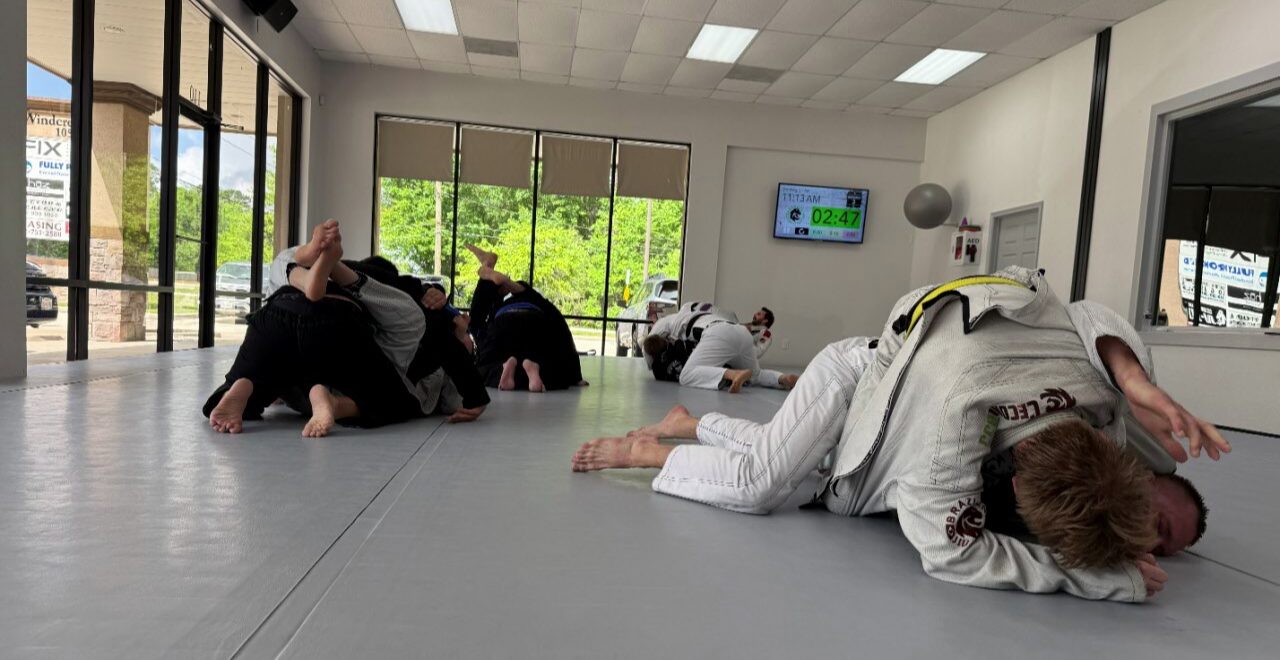
DISCOVER Ceconi BJJ Magnolia
CLICK HERECore Defensive Mastery and Essential Escapes
Developing dependable defensive survival skills forms the foundational benchmark for evaluating advancing practitioners during live sparring rounds.
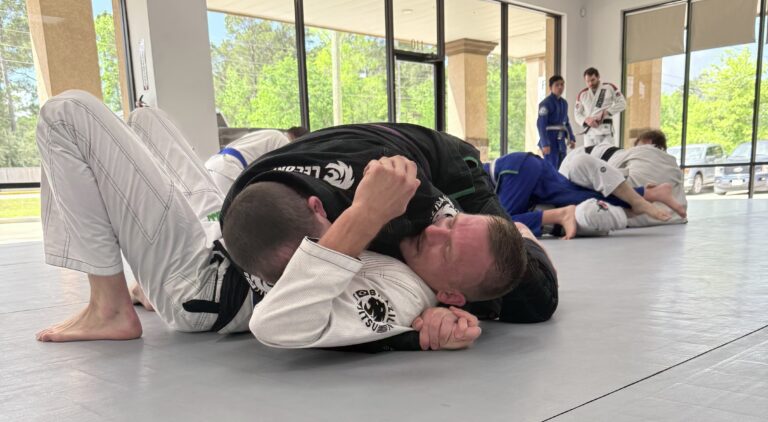
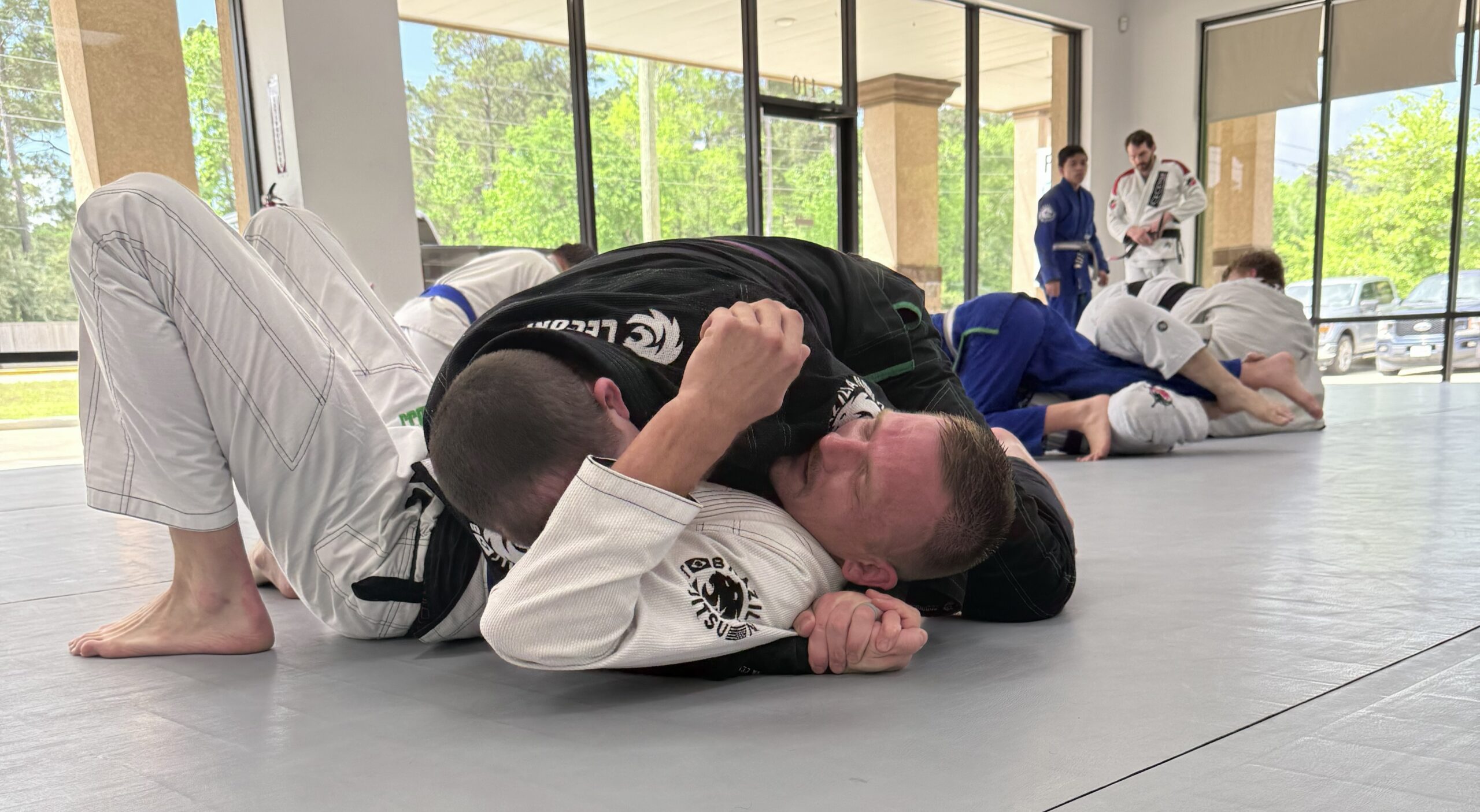
Side Control Escapes
Students focus on mastering 3 reliable side control escapes, prioritizing solid arm frames, hip escapes, and underhook recoveries under heavy top pressure.
Practitioners demonstrate these escapes consistently during practice sessions to safely rebuild guard structure under patient technical supervision.
Mount Survival Techniques
Demonstrating at least 2 technical mount escapes, including the elbow-escape and bridge-and-roll sweep, remains a core technical standard.
Practitioners study essential movement mechanics covered in our first BJJ class technical guide to neutralize dangerous top pressure effectively.
Back Control Defense
Students learn 2 primary back escapes, focusing on controlling primary choking hands, turning shoulders to the mat, and escaping seatbelt grips.
Understanding body alignment prevents choke submissions while allowing practitioners to safely return to neutral or guard positions.
Escaping Bad Positions
Demonstrating a well-rounded set of 8 core escapes across all primary bottom positions ensures complete defensive readiness during live grappling.
Building tactical composure helps students overcome challenging pinned scenarios during sparring on clean academy mats in Magnolia.
Guard Control, Sweeps, and Guard Passing
Developing active guard systems and passing mechanics enables practitioners to manage distance, unbalance opponents, and dictate match tempo.
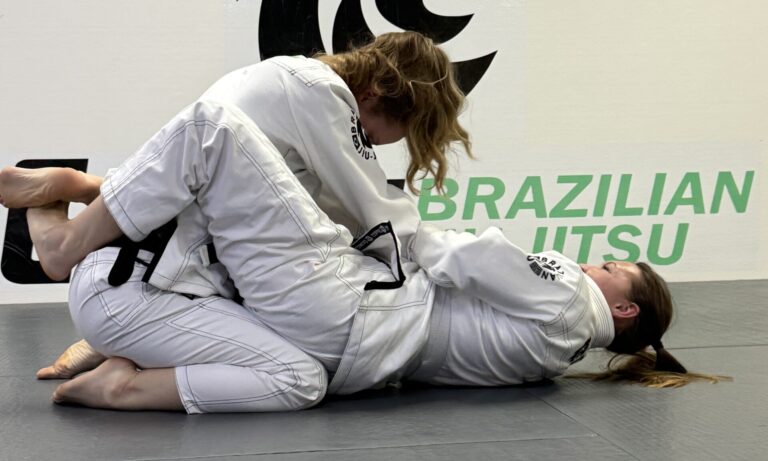
Closed Guard Mechanics
Students practice executing 3 distinct closed guard sweeps, unbalancing opponents through timing, directional leverage, and posture breakdown.
Students practice controlling distance using principles detailed in our Jiu-Jitsu belt progression guide to establish dominant control mechanics.
Open Guard Retention
Demonstrating active open guard retention shows a practitioner’s ability to use foot placement, grip management, and frames against aggressive passing attempts.
Practitioners learn to block cross-face attempts early while keeping opponents off balance using controlled movement techniques.
Essential Sweeping Concepts
Advancing white belts develop a toolkit of 6 fundamental sweeps to transition smoothly from bottom positions directly into dominant top control.
Mastering scissor sweeps, pendulum sweeps, and hip bump sweeps facilitates fluid technical transitions during competitive sparring scenarios.
Positional Dominance and Submission Mastery
Establishing top control allows practitioners to pin opponents safely, isolate limbs, and apply technical submissions with precision and control.
Passing the Guard
Students practice executing 4 distinct guard passes, combining pressure passing with agile lateral movement without overextending physical base.
Practitioners clear knee shields cleanly and establish secure side control, knee-on-belly, or mount positions systematically.
Fundamental Joint Locks
Executing 4 core joint locks, including straight armbars, kimuras, and americanas from top control, demonstrates precise submission application.
Practitioners apply submissions gradually during partner training to guarantee complete safety and build mutual trust on the mat.
Essential Choke Executions
Developing a balanced repertoire of 8 total submissions, combining joint locks with chokes like the triangle and rear-naked choke, shows technical mastery.
Understanding mechanical leverage enables practitioners of all physical sizes to execute highly effective submission holds smoothly.
Time Metrics, Mat Hours, and Evaluation Expectations
On average, dedicated adult practitioners reach blue belt rank within 18 to 24 months of consistent training, accumulating 150 to 250 total mat hours. Beyond technical numbers, instructors evaluate sparring composure, mat etiquette, and overall attendance consistency.
Attending two to three weekly classes ensures steady advancement, as detailed in our adult martial arts program overview at Ceconi BJJ Magnolia.
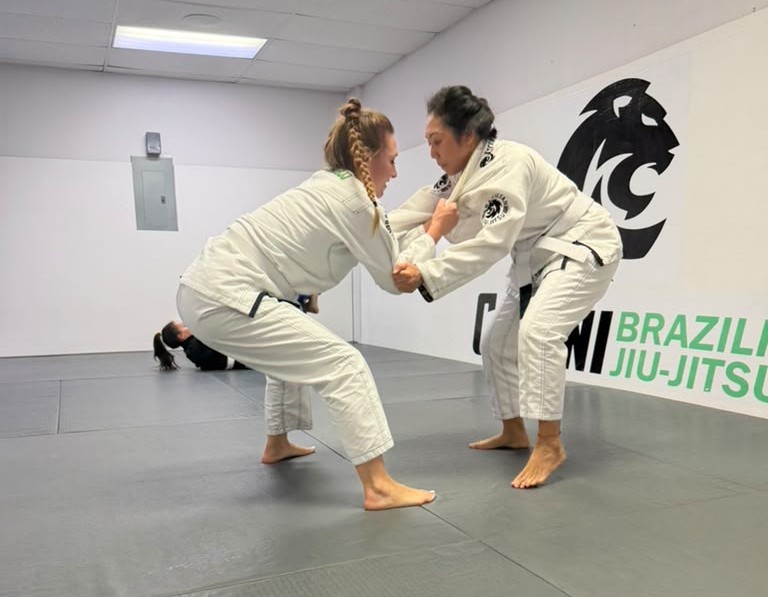
Measuring Long-Term Technical Progress
Fulfilling fundamental technical requirements reflects cumulative hours of structured drill repetition, problem-solving, and personal growth.
Practitioners can explore how martial arts empowers local female practitioners in our women’s self-defense and wellness guide while working toward advancement.
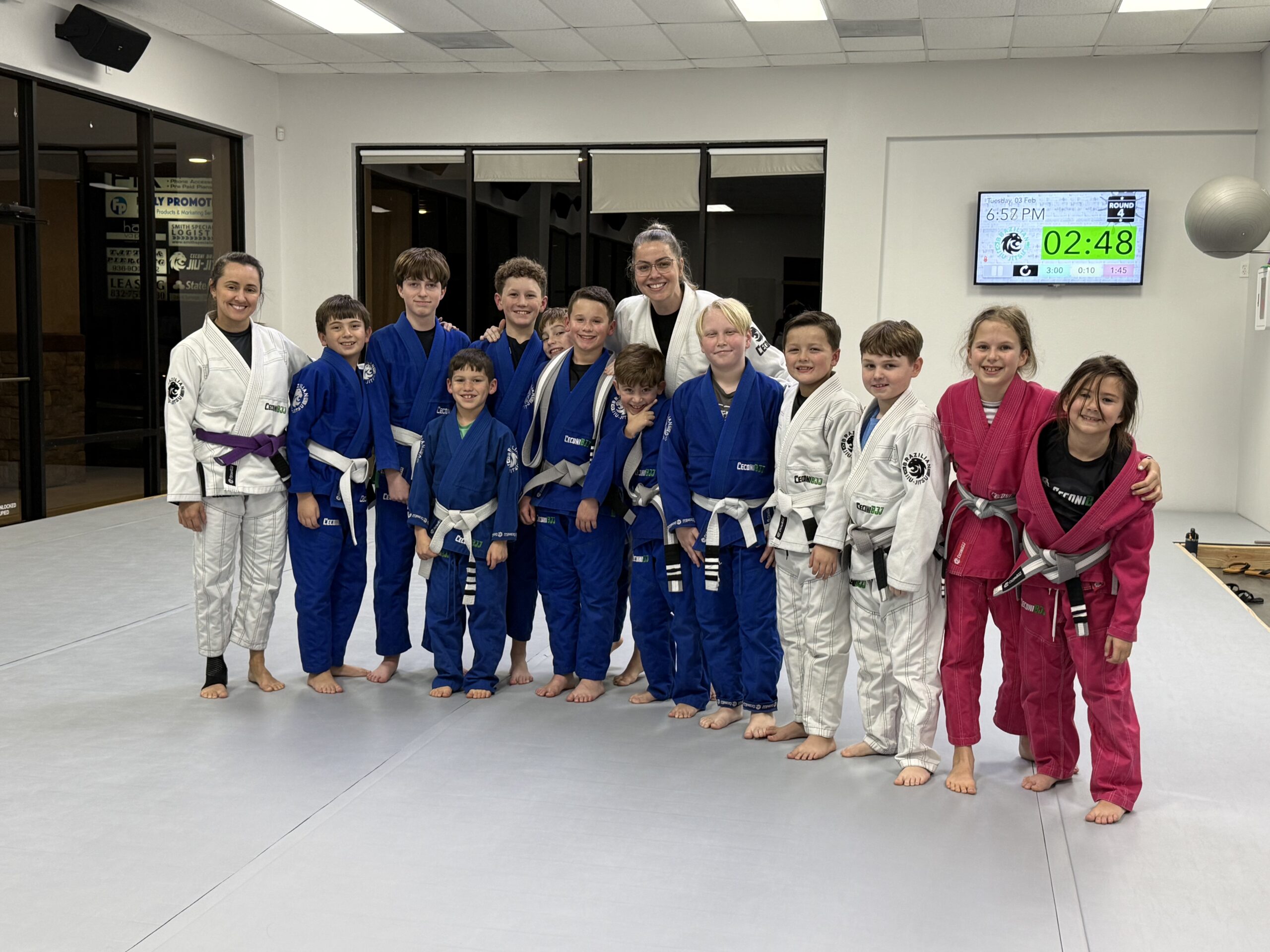
DISCOVER Ceconi BJJ Magnolia
CLICK HEREBuilding Lasting Foundations at Magnolia
Fulfilling essential blue belt requirements magnolia jiu-jitsu benchmarks creates a comprehensive foundation for lifelong self-defense and martial arts progress. Combining technical knowledge with consistent mat practice fosters physical fitness and personal resilience.
We invite adult residents from Magnolia, Tomball, and surrounding communities to train in clean facilities with highly trained instructors. Visit us today to experience a supportive local training community firsthand.